A premium men's retailer called me in October with a familiar problem.
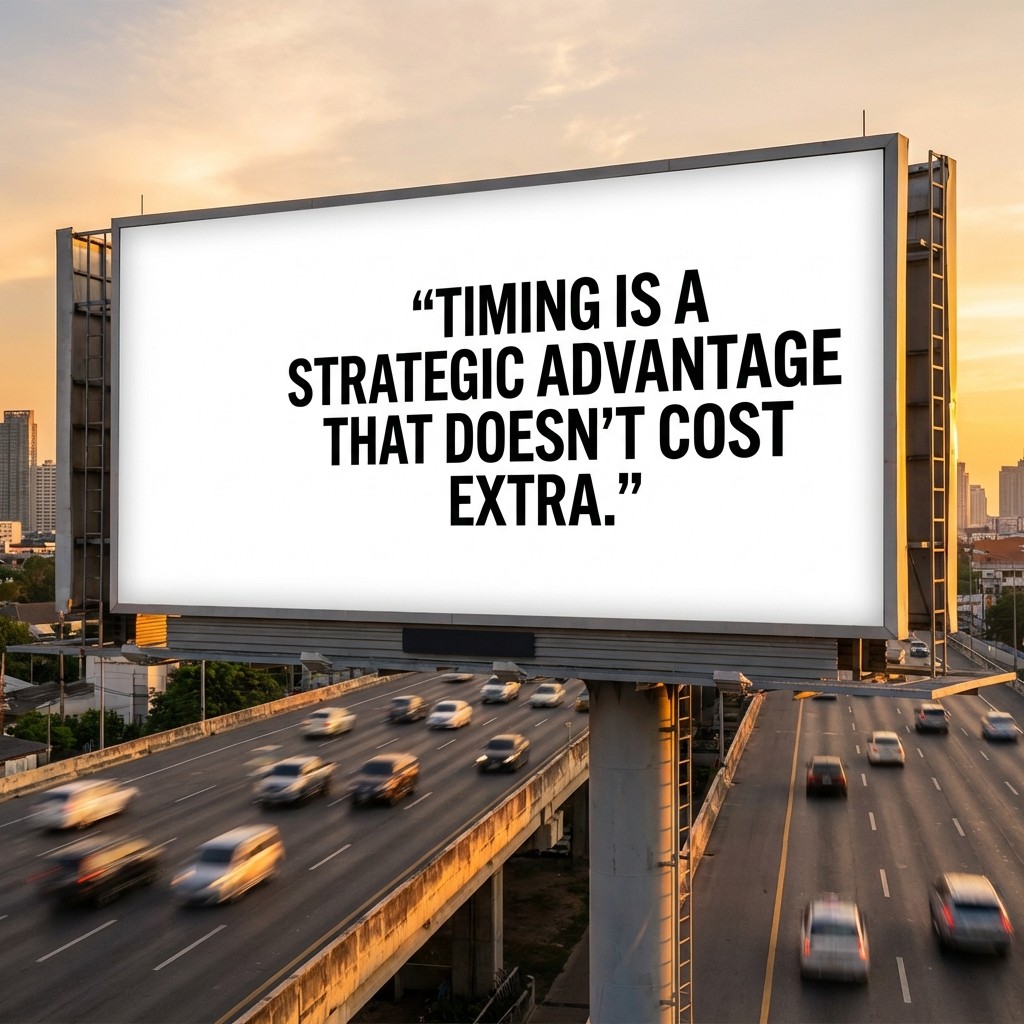
How a Premium Retailer Beat Black Friday Without Competing on Price
2026
Article Summary: A premium men's retailer was switching off all ads during Black Friday because they couldn't afford inflated CPCs. Instead of competing in the spending war, we built engaged audiences 6-8 weeks early using low-cost campaigns, then switched to remarketing during Black Friday itself—delivering higher conversions at lower costs whilst competitors burned budget on cold traffic.
1. The Problem: Going Dark When Everyone Else Goes Loud
"We switch off all our ads during Black Friday. We can't afford to compete with the big brands. CPCs go through the roof, and we get buried."
A premium men's retailer rang me in October with a familiar problem. They relied primarily on seasonal in-person events for customer acquisition, using eCommerce mainly to retain customers between shows. When Black Friday arrived each year, they had no warm audience to activate—just the option to compete for cold traffic at inflated prices against brands with 10x their budget. Their solution had been simple: surrender the field and go dark. But here's what most brands miss: you don't have to compete in the spending war if you've already built the audience before it starts.
2. The Strategy: Build Audiences Early, Activate When It Matters
"Microsoft Advertising's research found that advertisers who boosted audience-building ads in September and October maintained conversion growth even as clicks slowed in November—because they'd already primed consumers to buy."
I walked them through a different playbook. Start 6-8 weeks before Black Friday and invest in cheaper top-of-funnel activity when no one else is competing for attention. Focus on YouTube, Meta, and high-visibility placements that prioritise engagement over immediate conversion. Change your creative approach—stop optimising for purchases and optimise for click-through rates, engagement, email sign-ups, and add-to-cart behaviours. You're building a pool of interested people, not closing sales yet. Track every intent signal: email captures, cart additions, product page views. You're creating remarketing audiences whilst CPCs are low and competition is minimal. By the time Black Friday arrived, they had a warm audience of engaged prospects who already knew the brand.
3. The Execution: Remarketing Whilst Others Bid Blind
"We weren't competing in the open market. We were fishing in a stocked pond we'd spent two months filling."
During Black Friday itself, we made a complete tactical shift. Switch off cold acquisition and let the big brands fight over new traffic at inflated CPCs. Switch entirely to prospect remarketing and CRM, targeting the audience we'd built over the previous 6-8 weeks. These people already knew the brand. They'd already engaged with the content. They were warm. The result: higher conversion rates at lower costs whilst everyone else was burning budget on cold traffic. Our remarketing CPCs stayed stable whilst the market went crazy. We weren't introducing the brand for the first time during the highest-noise weekend of the year—we were converting attention we'd already earned.
4. Why This Works: Timing Beats Budget
"You're not competing on budget size. You're competing on preparation and sequencing."
Most brands approach Black Friday like a sprint, ramping up spending right when costs peak and competition maxes out. This strategy flips the model. You invest when the market is quiet, build your audience when attention is cheap, then activate whilst everyone else is too busy fighting over cold traffic to notice you're converting warm prospects. Microsoft Advertising's impression data revealed a clear pattern: audience ad spend spiked in early November (pre-Black Friday), followed by Search and Shopping spend peaking on Cyber Monday. The most effective advertisers weren't fighting the same battle at the same time as everyone else. This approach works because it separates audience building from conversion—you're not trying to do both simultaneously when costs are highest.
5. What You Need to Start Now
"The brands that win Black Friday aren't always the ones who spend the most. They're the ones who prepared whilst everyone else was waiting for the starting gun."
If you're planning for next year's Black Friday, here's what matters: Start your audience build 6-8 weeks before BFCM and mark your calendar—this isn't optional. Shift your creative focus to engagement metrics like CTR, video views, email captures, and cart additions; these become your remarketing fuel. Set up proper tracking for intent signals so you know who engaged, what they looked at, and how to reach them again. Plan your remarketing creative in advance—you'll need different messaging for people who watched videos vs people who added to cart vs people who signed up for emails. Budget for the pre-build phase; this isn't extra spending, it's moving budget from the expensive window to the cheap one. You don't need a bigger budget. You need better timing and a more strategic approach to audience development.

A premium men's retailer called me in October with a familiar problem.
How a Premium Retailer Beat Black Friday Without Competing on Price
2026
Article Summary: A premium men's retailer was switching off all ads during Black Friday because they couldn't afford inflated CPCs. Instead of competing in the spending war, we built engaged audiences 6-8 weeks early using low-cost campaigns, then switched to remarketing during Black Friday itself—delivering higher conversions at lower costs whilst competitors burned budget on cold traffic.
1. The Problem: Going Dark When Everyone Else Goes Loud
"We switch off all our ads during Black Friday. We can't afford to compete with the big brands. CPCs go through the roof, and we get buried."
A premium men's retailer rang me in October with a familiar problem. They relied primarily on seasonal in-person events for customer acquisition, using eCommerce mainly to retain customers between shows. When Black Friday arrived each year, they had no warm audience to activate—just the option to compete for cold traffic at inflated prices against brands with 10x their budget. Their solution had been simple: surrender the field and go dark. But here's what most brands miss: you don't have to compete in the spending war if you've already built the audience before it starts.
2. The Strategy: Build Audiences Early, Activate When It Matters
"Microsoft Advertising's research found that advertisers who boosted audience-building ads in September and October maintained conversion growth even as clicks slowed in November—because they'd already primed consumers to buy."
I walked them through a different playbook. Start 6-8 weeks before Black Friday and invest in cheaper top-of-funnel activity when no one else is competing for attention. Focus on YouTube, Meta, and high-visibility placements that prioritise engagement over immediate conversion. Change your creative approach—stop optimising for purchases and optimise for click-through rates, engagement, email sign-ups, and add-to-cart behaviours. You're building a pool of interested people, not closing sales yet. Track every intent signal: email captures, cart additions, product page views. You're creating remarketing audiences whilst CPCs are low and competition is minimal. By the time Black Friday arrived, they had a warm audience of engaged prospects who already knew the brand.
3. The Execution: Remarketing Whilst Others Bid Blind
"We weren't competing in the open market. We were fishing in a stocked pond we'd spent two months filling."
During Black Friday itself, we made a complete tactical shift. Switch off cold acquisition and let the big brands fight over new traffic at inflated CPCs. Switch entirely to prospect remarketing and CRM, targeting the audience we'd built over the previous 6-8 weeks. These people already knew the brand. They'd already engaged with the content. They were warm. The result: higher conversion rates at lower costs whilst everyone else was burning budget on cold traffic. Our remarketing CPCs stayed stable whilst the market went crazy. We weren't introducing the brand for the first time during the highest-noise weekend of the year—we were converting attention we'd already earned.
4. Why This Works: Timing Beats Budget
"You're not competing on budget size. You're competing on preparation and sequencing."
Most brands approach Black Friday like a sprint, ramping up spending right when costs peak and competition maxes out. This strategy flips the model. You invest when the market is quiet, build your audience when attention is cheap, then activate whilst everyone else is too busy fighting over cold traffic to notice you're converting warm prospects. Microsoft Advertising's impression data revealed a clear pattern: audience ad spend spiked in early November (pre-Black Friday), followed by Search and Shopping spend peaking on Cyber Monday. The most effective advertisers weren't fighting the same battle at the same time as everyone else. This approach works because it separates audience building from conversion—you're not trying to do both simultaneously when costs are highest.
5. What You Need to Start Now
"The brands that win Black Friday aren't always the ones who spend the most. They're the ones who prepared whilst everyone else was waiting for the starting gun."
If you're planning for next year's Black Friday, here's what matters: Start your audience build 6-8 weeks before BFCM and mark your calendar—this isn't optional. Shift your creative focus to engagement metrics like CTR, video views, email captures, and cart additions; these become your remarketing fuel. Set up proper tracking for intent signals so you know who engaged, what they looked at, and how to reach them again. Plan your remarketing creative in advance—you'll need different messaging for people who watched videos vs people who added to cart vs people who signed up for emails. Budget for the pre-build phase; this isn't extra spending, it's moving budget from the expensive window to the cheap one. You don't need a bigger budget. You need better timing and a more strategic approach to audience development.
A premium men's retailer called me in October with a familiar problem.
How a Premium Retailer Beat Black Friday Without Competing on Price
2026
Article Summary: A premium men's retailer was switching off all ads during Black Friday because they couldn't afford inflated CPCs. Instead of competing in the spending war, we built engaged audiences 6-8 weeks early using low-cost campaigns, then switched to remarketing during Black Friday itself—delivering higher conversions at lower costs whilst competitors burned budget on cold traffic.
1. The Problem: Going Dark When Everyone Else Goes Loud
"We switch off all our ads during Black Friday. We can't afford to compete with the big brands. CPCs go through the roof, and we get buried."
A premium men's retailer rang me in October with a familiar problem. They relied primarily on seasonal in-person events for customer acquisition, using eCommerce mainly to retain customers between shows. When Black Friday arrived each year, they had no warm audience to activate—just the option to compete for cold traffic at inflated prices against brands with 10x their budget. Their solution had been simple: surrender the field and go dark. But here's what most brands miss: you don't have to compete in the spending war if you've already built the audience before it starts.
2. The Strategy: Build Audiences Early, Activate When It Matters
"Microsoft Advertising's research found that advertisers who boosted audience-building ads in September and October maintained conversion growth even as clicks slowed in November—because they'd already primed consumers to buy."
I walked them through a different playbook. Start 6-8 weeks before Black Friday and invest in cheaper top-of-funnel activity when no one else is competing for attention. Focus on YouTube, Meta, and high-visibility placements that prioritise engagement over immediate conversion. Change your creative approach—stop optimising for purchases and optimise for click-through rates, engagement, email sign-ups, and add-to-cart behaviours. You're building a pool of interested people, not closing sales yet. Track every intent signal: email captures, cart additions, product page views. You're creating remarketing audiences whilst CPCs are low and competition is minimal. By the time Black Friday arrived, they had a warm audience of engaged prospects who already knew the brand.
3. The Execution: Remarketing Whilst Others Bid Blind
"We weren't competing in the open market. We were fishing in a stocked pond we'd spent two months filling."
During Black Friday itself, we made a complete tactical shift. Switch off cold acquisition and let the big brands fight over new traffic at inflated CPCs. Switch entirely to prospect remarketing and CRM, targeting the audience we'd built over the previous 6-8 weeks. These people already knew the brand. They'd already engaged with the content. They were warm. The result: higher conversion rates at lower costs whilst everyone else was burning budget on cold traffic. Our remarketing CPCs stayed stable whilst the market went crazy. We weren't introducing the brand for the first time during the highest-noise weekend of the year—we were converting attention we'd already earned.
4. Why This Works: Timing Beats Budget
"You're not competing on budget size. You're competing on preparation and sequencing."
Most brands approach Black Friday like a sprint, ramping up spending right when costs peak and competition maxes out. This strategy flips the model. You invest when the market is quiet, build your audience when attention is cheap, then activate whilst everyone else is too busy fighting over cold traffic to notice you're converting warm prospects. Microsoft Advertising's impression data revealed a clear pattern: audience ad spend spiked in early November (pre-Black Friday), followed by Search and Shopping spend peaking on Cyber Monday. The most effective advertisers weren't fighting the same battle at the same time as everyone else. This approach works because it separates audience building from conversion—you're not trying to do both simultaneously when costs are highest.
5. What You Need to Start Now
"The brands that win Black Friday aren't always the ones who spend the most. They're the ones who prepared whilst everyone else was waiting for the starting gun."
If you're planning for next year's Black Friday, here's what matters: Start your audience build 6-8 weeks before BFCM and mark your calendar—this isn't optional. Shift your creative focus to engagement metrics like CTR, video views, email captures, and cart additions; these become your remarketing fuel. Set up proper tracking for intent signals so you know who engaged, what they looked at, and how to reach them again. Plan your remarketing creative in advance—you'll need different messaging for people who watched videos vs people who added to cart vs people who signed up for emails. Budget for the pre-build phase; this isn't extra spending, it's moving budget from the expensive window to the cheap one. You don't need a bigger budget. You need better timing and a more strategic approach to audience development.